October 28, 2026
Pavement markings perform a critical, non-negotiable function in modern transportation infrastructure by establishing clear spatial order, directing vehicle movements, and protecting pedestrians. Although driver attention often naturally focuses on traffic lights, elevated street signs, and digital message boards, high-visibility lines and painted directives on the road surface constantly convey vital, real-time spatial guidance. Every single day, millions of motorists rely on these continuous visual cues to navigate multi-lane highways, rural corridors, busy suburban intersections, and complex parking facilities without incident. When these clear demarcations fade due to heavy traffic volume, harsh weather, snowplow scraping, or long-term UV exposure, driver confusion increases dramatically alongside severe collision risks. Maintaining crisp, bright visual cues acts as a cost-effective, highly efficient solution for lowering traffic accidents, optimizing lane capacity, and maintaining consistent traffic flow across diverse road networks.
1. Enhancing Visibility
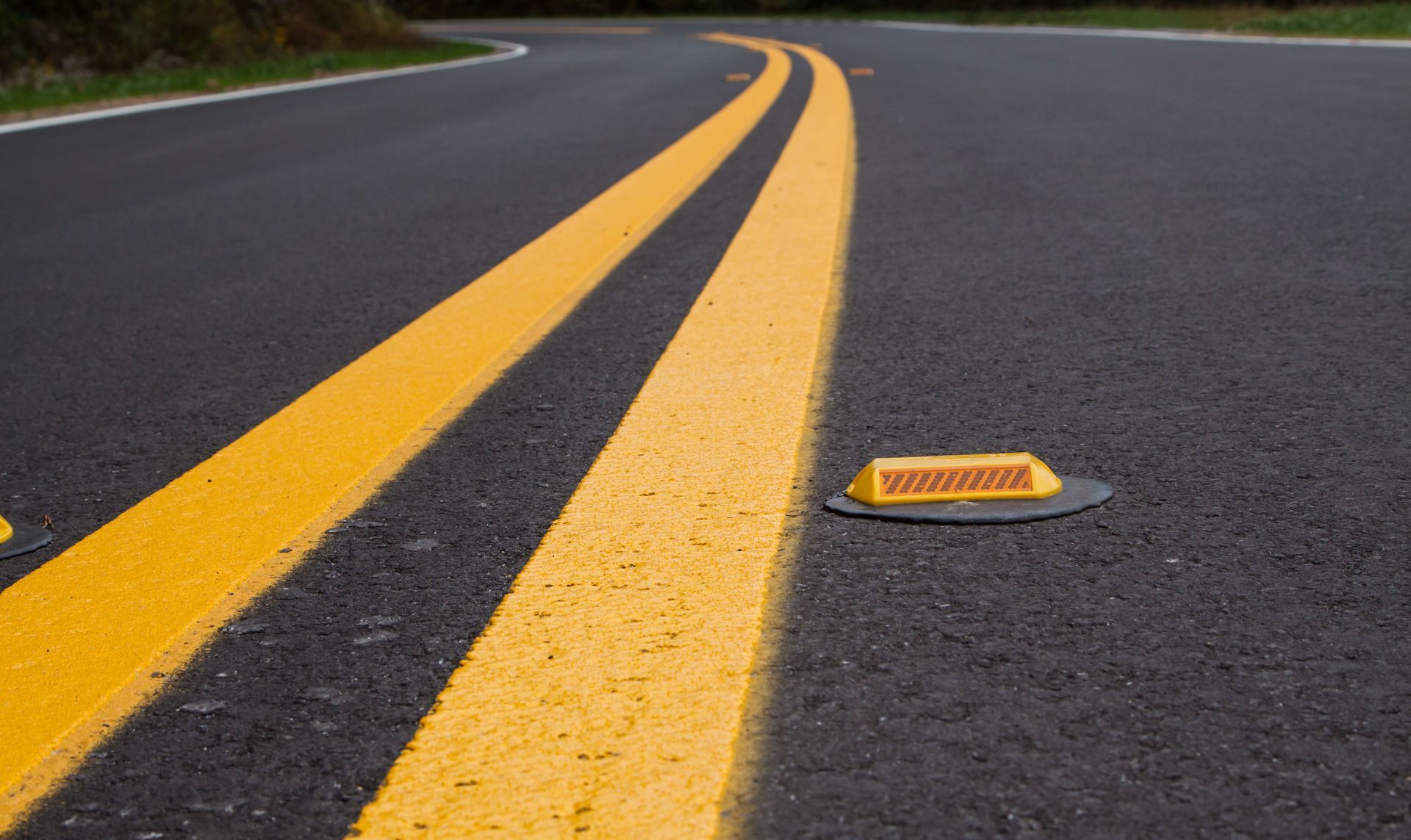
According to the U.S. DEPARTMENT OF TRANSPORTATION, approximately 76% of roadway fatalities occur on rural roads, where pavement markings are often less visible or maintained. Retroreflective pavement marking materials significantly improve nighttime driver awareness by reflecting headlight beam illumination directly back toward the vehicle driver's line of sight. This enhanced visual feedback gives motor vehicle operators extended reaction windows when navigating unlit rural stretches, sharp blind curves, sudden elevation changes, or sudden weather-related hazards like flash flooding and black ice.
Without adequate retroreflectivity, driving at night or during heavy rains becomes an extremely hazardous task. Headlight beams are absorbed into dark asphalt surfaces rather than bouncing back to the driver, leaving motorists with virtually zero visual guidance regarding lane boundaries or road edges. High-quality glass beads embedded directly into fresh surface coatings reflect light backward with exceptional clarity, acting as continuous illuminated guides through dark environments. This retroreflective technology dramatically reduces off-road crashes, head-on collisions, and unintentional lane departures, proving that simple reflective technology saves lives on unlit roadways daily.
Modern continuous advancements in pavement marking technology have introduced durable thermoplastic applications, specialized micro-crystalline glass bead retroreflective formulas, and high-durability epoxy paints engineered specifically to withstand heavy operational wear and severe weather. Utilizing long-lasting, resilient materials helps public works departments maximize visibility performance across all four seasons while minimizing recurring road maintenance schedules, lane closure delays, and municipal repair expenses.
2. Managing Traffic
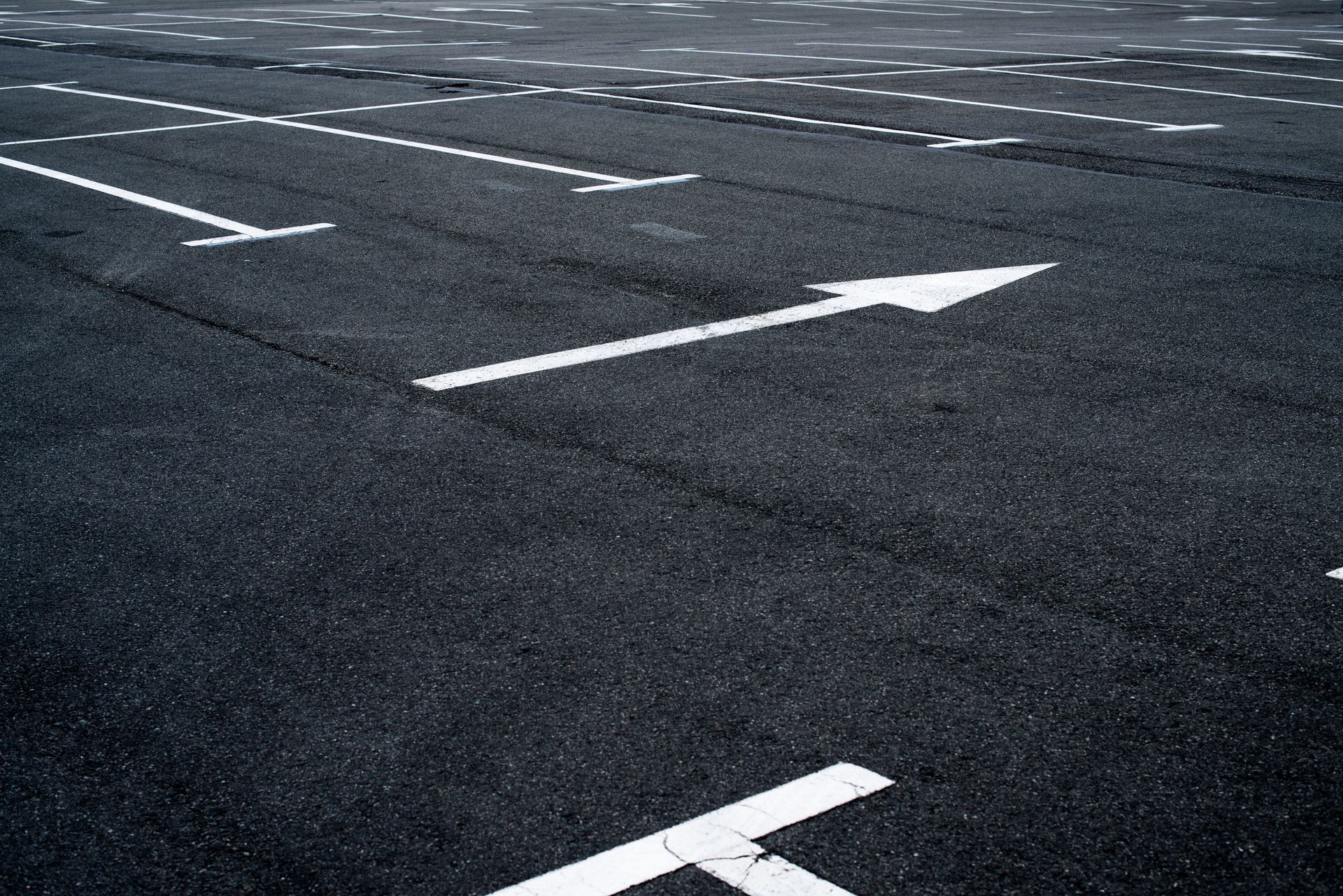
Clear, precise pavement marking placement delineates active travel corridors, manages turn lanes safely, and eliminates driver confusion at high-volume highway junctions and multi-lane street intersections. Visual road indicators like directional turn arrows, merge instructions, bicycle icons, and solid white lane boundary lines optimize overall highway capacity, prevent sudden dangerous lane drift, and significantly reduce sideswipe collisions during peak morning and evening commute hours.
Proper traffic organization depends on drivers intuitively understanding where their vehicles belong on the road surface at any given moment. Clear lines establish standardized traffic patterns, preventing drivers from cutting across lanes, blocking intersections, or improperly merging into moving traffic lines. When street lines are sharp and bright, drivers naturally maintain safer speeds and more consistent following distances, creating a synchronized, predictable flow of traffic across heavily congested city centers and industrial thoroughfares.
Complex urban navigation hubs, including modern multi-lane roundabouts, heavily traveled arterial intersections, highway interchange ramps, and high-density commercial access roads, rely heavily on precise pavement marking designs to prevent traffic gridlock. Extensive municipal case studies consistently demonstrate that applying clear, highly visible lane demarcation systems yields immediate, measurable reductions in traffic delays, travel times, and localized vehicular accident rates.
3. Protecting Pedestrians
Dedicated pedestrian crosswalks, designated school zone alerts, painted safety islands, and vibrant painted bicycle lanes provide crucial physical and visual protection for vulnerable street users sharing urban roadways with heavy motor vehicles. Highly visible high-contrast zebra or ladder crosswalk lines alert oncoming motor vehicle operators to reduce speed drastically and yield the right of way, directly lowering pedestrian impact risks in high-density shopping districts, transit hubs, residential areas, and school zones.
Pedestrians and bicyclists represent the most vulnerable populations on modern roadways, lacking the protective steel frame, airbags, and safety belts of motor vehicles. Clear surface markings establish dedicated sanctuary zones that communicate pedestrian priority to drivers long before a vehicle reaches a crosswalk. By clearly defining where foot traffic and bicycle travel cross vehicular paths, high-visibility striping creates a safer environment that encourages walking and cycling while preventing tragic, preventable pedestrian injuries.
Innovative pedestrian safety initiatives, such as high-visibility green bike lanes, painted sidewalk extensions, and high-contrast reflective crosswalk borders, further strengthen non-motorized transportation safety. When urban planners integrate clearly marked pedestrian infrastructure into broader city street design, driver compliance with yield laws increases substantially, resulting in safer, more vibrant, and highly walkable urban communities for residents and visitors alike.
4. Controlling Speeds
In-lane speed limit digits, high-contrast warning symbols, and textured rumble strip lines actively influence driver behavior by providing immediate visual, audible, and physical road cues. These speed-calming pavement marking applications encourage safer, more consistent driving habits across hazardous downhill grades, sharp turns, industrial corridors, construction zones, and active residential street segments where traditional speed limit signs might be missed.
Visual psychology plays a major role in how fast drivers travel down a given roadway. Strategic paint patterns, such as optical speed bars or narrowed lane line spacing, create a subtle visual illusion that makes drivers feel as though they are traveling faster than they actually are, prompting an intuitive reduction in vehicle speed. By leveraging psychological visual cues directly on the asphalt surface, traffic engineers can effectively slow down vehicles without relying solely on physical barriers or continuous law enforcement presence.
Integrating high-visibility visual cues directly onto the road surface reinforces roadside traffic sign warnings, ensuring continuous driver engagement even during high-distraction driving conditions. Strategic placement of these retroreflective visual cues helps municipalities drastically decrease localized collision rates in historically high-risk traffic zones, preserving driver safety and preventing catastrophic high-speed impact events.
5. Supporting Economics
Investing in comprehensive pavement marking installation and routine surface maintenance delivers substantial long-term financial returns through preventable accident reduction. Decreased collision frequency directly lowers municipal legal liabilities, reduces emergency services response strain, minimizes local highway infrastructure damage, and helps stabilize driver vehicle insurance costs by maintaining safer regional driving environments overall.
Road accidents incur immense economic costs on local communities, including emergency medical services, property damage, lost work productivity, roadway repairs, and prolonged traffic delays. By making modest, proactive investments in durable, high-visibility street striping, local government agencies and private property managers avoid costly personal injury litigation, preserve asphalt life, and protect local commercial activity from disruption caused by frequent traffic incidents.
In addition to safety and financial advantages, modern pavement marking initiatives utilize eco-friendly, low-VOC paint formulations and durable thermoplastic compounds that satisfy stringent environmental regulations without reducing reflectivity or longevity. Balancing operational performance with environmental sustainability ensures roadways remain safe, functional, durable, and visually appealing for surrounding communities over years of continuous vehicle use.
Effective pavement marking systems represent an essential, high-return investment in overall public safety, traffic efficiency, and local community infrastructure development. By continually upgrading faded lines, fixing worn crosswalks, and adopting modern, highly durable marking materials, civil planners and commercial property owners can effectively protect drivers and pedestrians while creating organized, reliable transportation routes. For more information about the services that we offer, reach out to our incredible team at Pro Striping today!