August 27, 2026
A pavement marking service is crucial to road safety as they provide guidance and information to drivers and pedestrians alike. They serve as a visual language that conveys rules, directions, and warnings, facilitating smoother and safer travel. With an increasing number of vehicles on the road, maintaining clear and effective pavement markings has become more vital than ever. Let's delve into the various aspects of pavement marking and examine its indispensable role in ensuring road safety.
Enhancing Road Safety Through Better Visibility
The visibility of pavement markings significantly impacts their effectiveness, especially in low light conditions. Night-time visibility is crucial for preventing accidents, as many drivers depend solely on these markings to navigate the roads safely. Reflective materials have revolutionized night-time driving, utilizing beads or specialized paints to enhance the visibility of lines. During adverse weather conditions such as fog, rain, or snow, these materials play an even more vital role. High-quality reflective markings ensure that the guidance they provide remains clear and unobstructed in all conditions, reducing the possibility of accidents due to poor visibility.
Adverse weather conditions, including rain and snow, pose significant challenges to maintaining the visibility of pavement markings. Pavement marking service engineers focus on developing markings that remain visible in these conditions by using different materials and textures. Reflective and thermoplastic markings, for instance, offer high visibility even in rainy conditions, which contributes to safer road navigation. Color coding also enhances understanding, with various colors indicating different messages, such as mandatory stops, caution, or specific lanes for cyclists. Maintaining the visibility of markings over time, despite wear and tear, is essential for long-term road safety.
Maintaining marking visibility over time is a critical aspect of traffic management. Wear and tear, especially on heavily used roads, can reduce the visibility and efficacy of pavement markings. Regular maintenance is necessary to ensure they continue to provide adequate guidance. There's also an increasing focus on innovations that prolong the life of these markings, such as solar-powered LED road studs that work in conjunction with traditional markings. With constant monitoring and improvement, pavement markings remain a reliable resource for road navigation, facilitating safer environments for both drivers and pedestrians.
Traffic Control and Management
Efficient traffic flow is a critical objective of a pavement marking service, guiding vehicles in a way that reduces chaos and confusion. Lines and arrows point drivers in the right direction, facilitating smooth lane switches and ensuring adherence to traffic rules. By clearly defining lanes and permitted directions, these markings help prevent bottlenecks and improve road capacity. Thus, effective marking reduces traffic congestion, a common issue that plagues urban centers. When intersections are clearly marked, they aid in seamless navigation while minimizing the risk of collisions.
Reducing traffic congestion through efficient pavement markings is an achievable goal. Congestion is often exacerbated by unclear traffic rules or directional cues, leading to frustrating delays and higher risks of accidents. Well-designed road markings offer clear guidance, ensuring that traffic flows smoothly and efficiently even during peak hours. Signs integrated with pavement markings further optimize traffic management, providing timely information that helps drivers make better decisions. By reducing confusion and enhancing predictability, these markings play a pivotal role in maintaining orderly traffic flow.
Intersection navigation is further simplified by optimizing pavement marking and road sign integration. At intersections, clear markings and synchronized traffic signals can prevent accidents and misunderstandings. Markings that guide drivers through intersections safely also reduce the likelihood of head-on collisions. Furthermore, effective integration with road signs ensures consistent and reliable information delivery. In conjunction with future advancements, such as smart technology integration, road markings will continue to evolve, providing even more robust solutions for traffic control and management.
Pavement Markings and Pedestrian Safety
Pavement markings aren't solely for vehicle guidance; they also play a crucial role in pedestrian safety. Designated pedestrian crosswalks are marked to signal safe crossing zones, reducing the risk of vehicle-pedestrian collisions. These markings are especially vital in urban areas where pedestrian activity is high and traffic is dense. Crosswalks are often enhanced with raised surfaces or contrasting colors to improve visibility and alert drivers to pedestrian presence. In rural areas, where 76% of roadway fatalities occur, according to the U.S. Department of Transportation, clear pedestrian markings are equally crucial for ensuring safety.
School zone markings are another critical aspect of pedestrian safety, emphasizing the need for caution in areas frequented by children. These markings are usually accompanied by road signs and flashing lights to alert drivers to reduce speed and be extra vigilant. Painted school zone markings are often in highly visible colors to ensure drivers cannot miss them, even in adverse conditions. The safety of children and other vulnerable group members is further enhanced by speed bumps and rumble strips that encourage drivers to adhere to speed limits. Hence, effective pavement marking is vital in protecting pedestrians, especially the young and vulnerable.
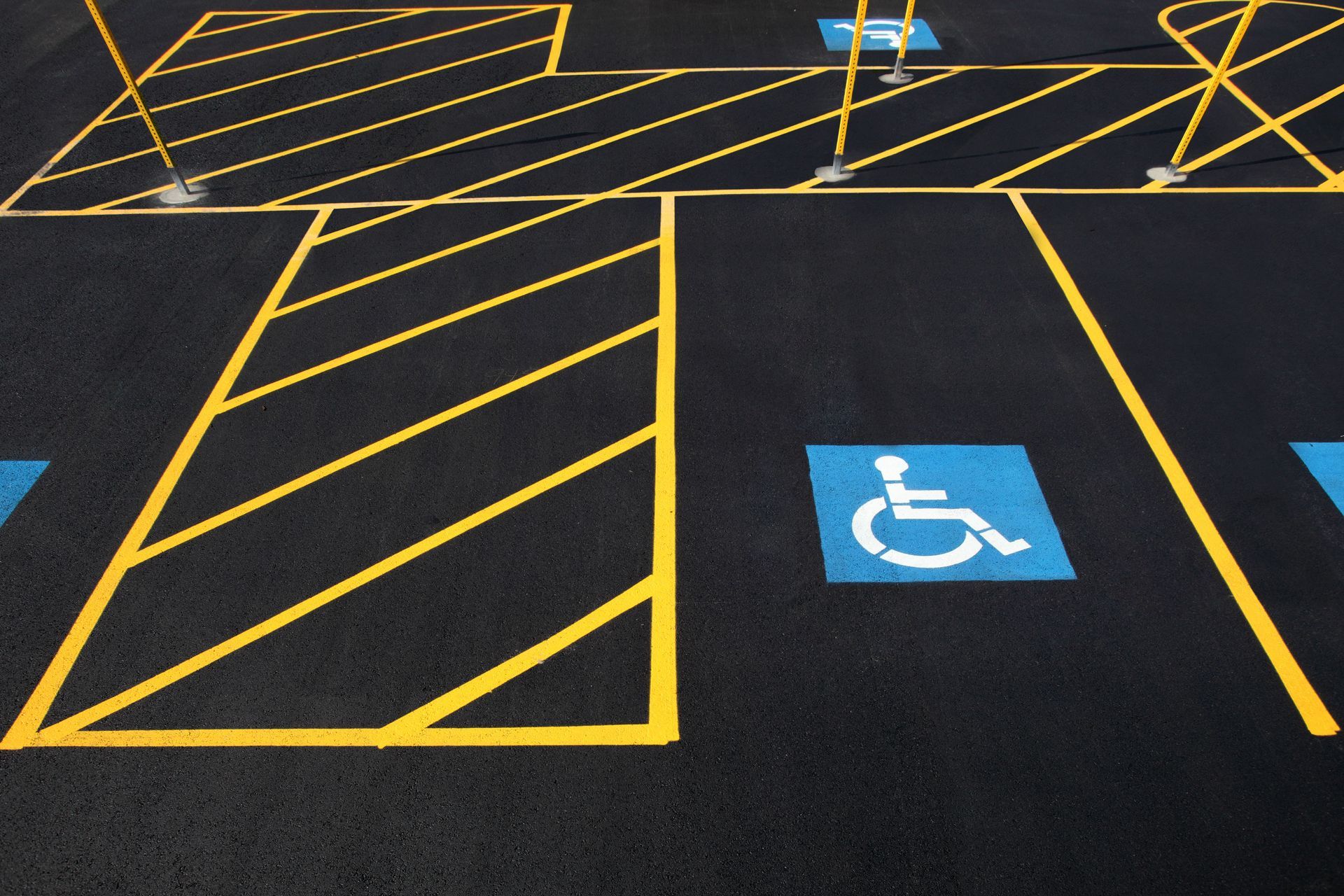
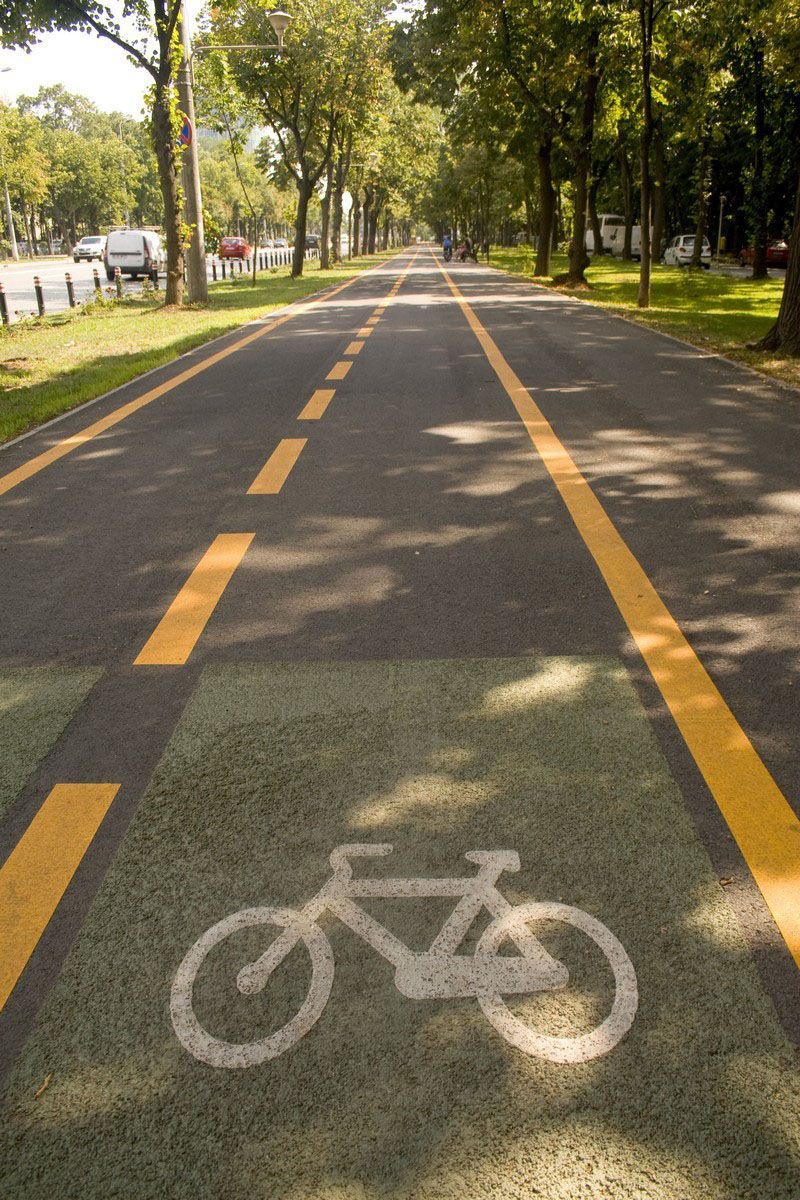
A pavement marking service can enhance cyclist safety by delineating dedicated bike lanes, thereby separating them from vehicular traffic. These lanes are marked with specific symbols and colors to ensure their purpose is well understood by all road users. In urban settings, where space is limited, marked bike lanes offer cyclists a safer route, reducing their exposure to fast-moving traffic. Additionally, accessibility features, such as tactile pavings for persons with disabilities, are incorporated into pavement marking designs to enhance inclusivity and safety. By integrating markings with traffic signals, the overall road safety system is strengthened, providing a cohesive and safe environment for both pedestrians and cyclists.
Impact on Driver Behavior and Decision Making
Pavement markings influence driver behavior significantly by providing constant visual cues that impact speed and driving patterns. When lanes are clearly marked, drivers are more likely to maintain correct lane discipline and adhere to speed limits. These cues are essential, especially in areas with complex traffic flow, such as busy intersections or multi-lane highways. By promoting adherence to traffic laws, these markings indirectly reduce the risks of road rage and aggressive driving patterns that often lead to accidents. Furthermore, visible and well-maintained markings encourage drivers to make safer and more informed decisions.
Road markings are essential for promoting compliance with traffic laws, directly impacting accident rates. Clear lane delineations and traffic sign integrations remind drivers of regulations they must follow, such as no-overtaking zones or mandatory stop areas. By creating a structured traffic environment, these markings help minimize instances of violations that could result in accidents or injuries. Furthermore, road users are psychologically predisposed to respond to clearly marked routes, making roads safer and more efficient. Compliance is also positively reinforced through feedback mechanisms, such as rumble strips, which alert drivers when they veer outside their lanes.
The psychological impact of pavement markings on drivers can't be overstated. Clear and consistent markings reduce driver stress by providing a steady flow of information that simplifies navigation and decision-making. As a result, drivers feel more in control and less anxious, reducing the likelihood of erratic driving behaviors. The feedback mechanism integrated into the pavement marking design further reassures drivers that they are safely within their lane and adhering to road rules. Overall, these psychological benefits improve road user experience, contributing to a safer and more relaxed driving environment.
A pavement marking service is fundamental to road safety and effective traffic management, as they provide essential guidance and information for all road users. As road networks continue to expand and evolve, the role of pavement marking services will undoubtedly grow, underlining their indispensable contribution to safer and more efficient transportation systems worldwide. To get started with a quality service, reach out to Pro Striping today!