February 25, 2026
Roadways are often taken for granted until something goes wrong. Clear lines, symbols, and directional cues quietly guide millions of drivers every day, helping traffic flow smoothly and safely. Consistency plays a major role in how drivers interpret what they see at speed, and pavement marking is one of the most visible tools transportation agencies rely on to create that shared understanding. When markings look uniform from one roadway to the next, drivers spend less time guessing and more time reacting appropriately. Over time, this predictability builds trust in the roadway itself, allowing drivers to focus on their surroundings instead of second-guessing lane placement or direction.
Creating Visual Clarity for Everyday Drivers
Drivers make hundreds of small decisions every time they get behind the wheel. Lane changes, turns, merges, and stops all depend on quick visual confirmation. Pavement marking provides that confirmation by reinforcing lane boundaries and guiding movement. When markings are consistent across highways, arterials, and local roads, drivers develop confidence in what they are seeing, even when traveling through unfamiliar areas. This clarity becomes especially valuable during peak traffic hours, when congestion and distractions increase the potential for mistakes.
Supporting Safer High-Speed Travel
Higher speeds reduce reaction time, making clarity even more important. On expansive road networks, pavement marking helps drivers maintain proper positioning and anticipate upcoming changes. Uniform line widths, spacing, and colors reduce visual confusion and make it easier for motorists to process information quickly. This consistency becomes especially valuable at night or during adverse weather conditions, when visibility is already limited and drivers rely more heavily on roadway guidance.
Reducing Driver Fatigue on Long Routes
Long-distance travel can be mentally exhausting, particularly on multi-lane highways. Consistent pavement marking creates a predictable visual rhythm that reduces strain on the driver’s attention. When markings behave the same way from one stretch of road to the next, drivers are less likely to experience uncertainty or hesitation. This steady visual pattern helps maintain focus, supporting smoother travel over extended distances and reducing unnecessary stress. In addition, consistent line widths, spacing, and reflectivity give drivers a clear sense of lane boundaries, which reduces small corrective maneuvers that can accumulate into mental fatigue over hours of driving.
On roads that span hundreds of miles, this predictability allows drivers to relax slightly while maintaining vigilance, decreasing the likelihood of errors caused by distraction or overcorrection. During night-time driving or adverse weather, when visibility is compromised, well-maintained pavement marking provides essential guidance, allowing drivers to stay oriented without overtaxing cognitive resources. By creating an intuitive driving experience, consistent markings indirectly support safer journeys while enhancing overall comfort and confidence for long-distance motorists.
Enhancing Safety in Complex Intersections
Intersections are among the most demanding environments for drivers. Turn lanes, crosswalks, stop bars, and directional arrows all compete for attention. Pavement marking helps organize this information in a clear and repeatable way. When intersection markings follow consistent standards across a network, drivers instinctively understand where to stop, yield, or proceed. This shared understanding reduces hesitation and improves coordination between vehicles, pedestrians, and cyclists. Beyond lane guidance, well-designed markings can indicate turn restrictions, priority lanes, and merge areas, giving drivers a better sense of timing for complex maneuvers.
Reflective or high-visibility markings also improve safety in low-light conditions, helping reduce side-impact or rear-end collisions. Furthermore, consistent marking across multiple intersections allows drivers to anticipate patterns, creating smoother traffic flow and reducing abrupt braking or lane changes. In areas with heavy pedestrian activity, clearly marked crosswalks, yield lines, and directional arrows reinforce awareness, signaling drivers to remain cautious and alert, which ultimately protects everyone sharing the intersection.
Guiding Traffic Through Construction Zones
Temporary traffic changes can disrupt even the most experienced drivers. In construction zones, pavement marking plays a critical role in redirecting traffic safely. Consistent visual cues help drivers adapt quickly to shifted lanes or altered patterns. Familiar marking styles reduce hesitation and lower the risk of sudden maneuvers that can lead to incidents. Clear guidance is especially important in areas where traffic patterns change frequently over short periods. Construction zones often introduce new hazards such as narrowed lanes, temporary barriers, or uneven surfaces, and uniform pavement marking helps drivers navigate these challenges with confidence.
Bright, reflective markings or color-coded temporary lines provide an immediate visual reference, ensuring motorists understand lane boundaries even in confusing layouts. By maintaining familiar shapes and spacing that match standard roadway markings, drivers can rely on learned behaviors rather than guesswork, which reduces accidents and promotes steady traffic flow. Consistent marking also supports workers’ safety, allowing them to predict vehicle paths and minimize exposure to risk while on site.
Supporting Accessibility and Pedestrian Awareness
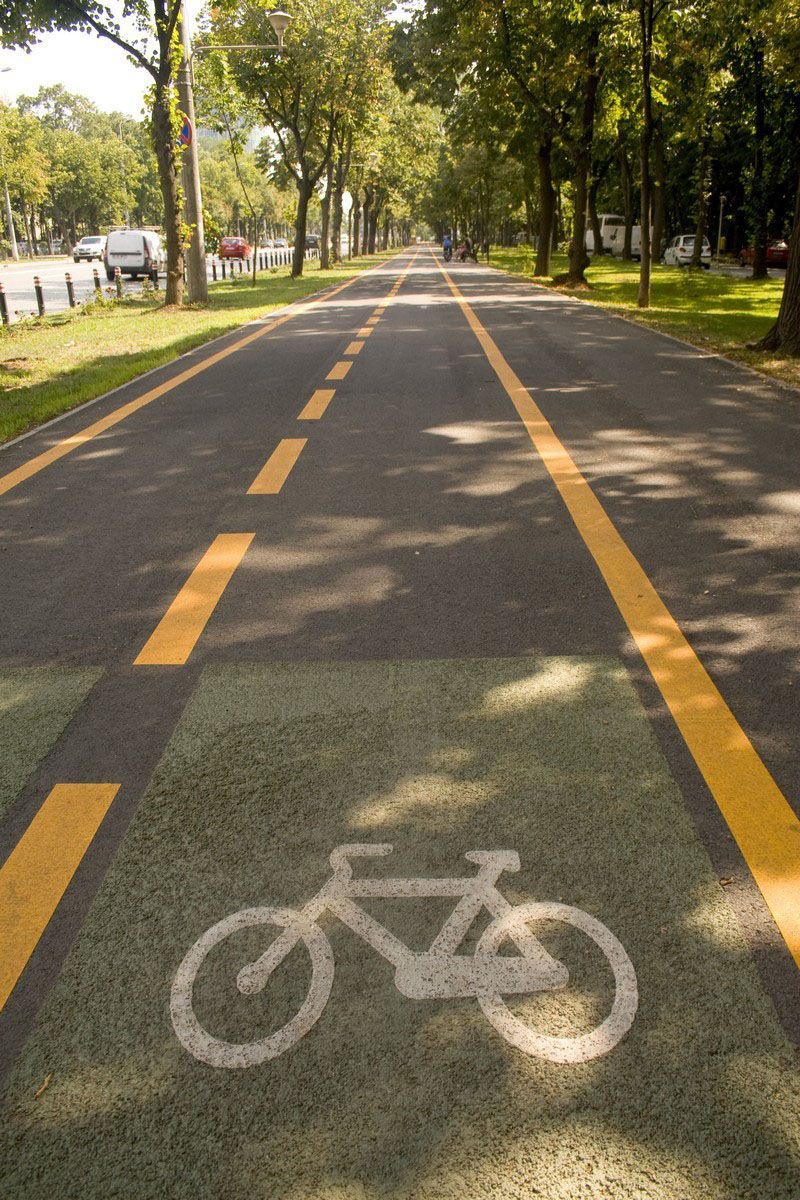
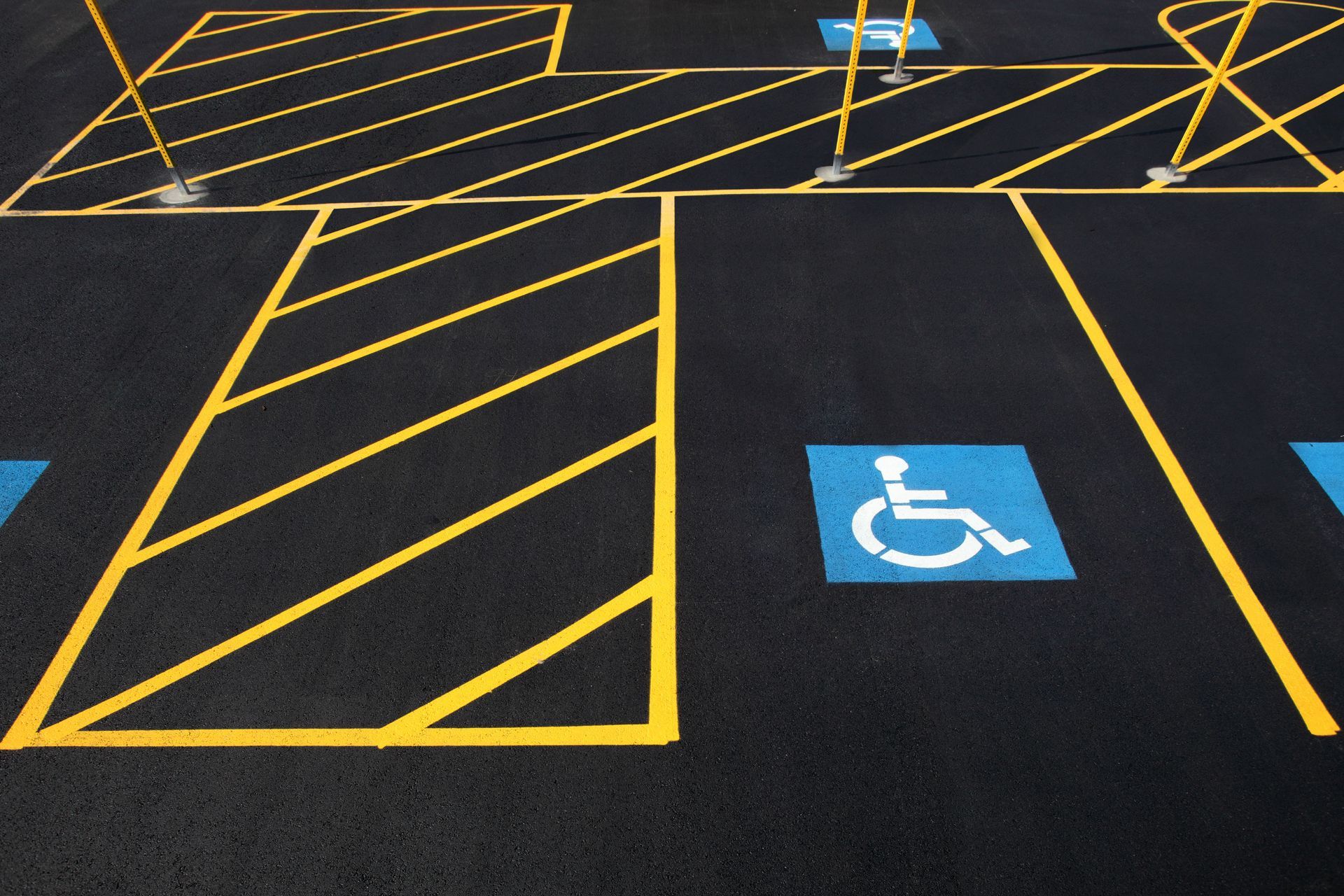
Road networks serve more than just vehicles. Crosswalks, bike lanes, and shared-use paths rely on pavement marking to signal priority and improve visibility. Consistency ensures that pedestrians and cyclists know what to expect regardless of location. Clear, uniform markings help create environments where all road users feel acknowledged and protected, particularly in urban areas with high foot traffic. For pedestrians, consistent crosswalk designs, stop bars, and tactile markings aid those with visual or mobility challenges, providing predictability and safety. Cyclists benefit from well-defined bike lanes, which help prevent conflicts with vehicles while signaling where to safely merge or stop.
In addition, consistent pavement marking helps support traffic calming measures such as raised crosswalks, pedestrian islands, or buffer zones, giving vulnerable road users additional protection. When city planners and transportation agencies maintain these standards across neighborhoods, everyone—drivers, pedestrians, and cyclists—can anticipate roadway patterns, improving overall accessibility and fostering confidence for all road users.
Maintaining Standards Across Vast Infrastructure
According to the Federal Highway Administration, more than 3.3 million miles of public roads exist in the United States. Managing such an extensive system requires coordination and adherence to recognized standards. Pavement marking serves as a unifying visual language across this massive network, helping maintain order and reliability from state highways to local streets. Without this consistency, drivers would face constant adjustments that increase confusion and risk.
Standardized markings also support emergency response vehicles by providing predictable guidance in high-stress situations. They help reduce accidents caused by sudden lane changes or misinterpretation of road layouts. Over time, consistent pavement marking contributes to overall traffic efficiency, improving commute times and reducing congestion across busy corridors.
Improving Driver Behavior and Compliance
Drivers are more likely to follow rules that are clearly communicated. Pavement marking reinforces posted signs and signals, making expectations easier to understand. When markings remain consistent across jurisdictions, drivers are less likely to misinterpret instructions. This clarity supports smoother traffic flow, reduces abrupt decisions, and encourages safer habits that benefit everyone on the road.
Extending the Life of Traffic Management Investments
Consistency also supports long-term planning and maintenance strategies. Pavement marking applied uniformly allows agencies to schedule upkeep more efficiently and identify wear patterns across regions. Predictable designs make it easier to assess performance and prioritize improvements, contributing to a more reliable road network overall and helping infrastructure investments deliver lasting value.
Partnering With Professionals for Network-Wide Impact
Managing markings across large areas requires experience, coordination, and attention to detail. Pavement marking projects benefit from providers who understand how consistency affects driver perception at scale. Organizations looking to strengthen roadway clarity often turn to Pro Striping for dependable service that supports cohesive, network-wide results and long-term roadway confidence.
Consistent pavement marking does more than define lanes and intersections. It creates a shared visual system that helps drivers navigate confidently, reduces uncertainty, and supports safety across expansive road networks. As infrastructure continues to evolve, maintaining uniform markings remains a practical way to enhance clarity and reliability for everyone on the road. Thoughtful strategies help ensure that no matter where drivers travel, the road communicates clearly and predictably.